Producing a live broadcast is not a difficult task, but it requires clear objective setting from all parties and agreement on the balance between needs and capabilities. Against the backdrop of the ever-increasing popularity of broadcasts, Television.ee's video production manager Mait Peetsalu discusses everything that goes into making a great broadcast. In another article, Rando discusses why Live Transfer It has changed.

The transfer can be conditionally divided into several stages. What marks the beginning of the completion of one transfer?
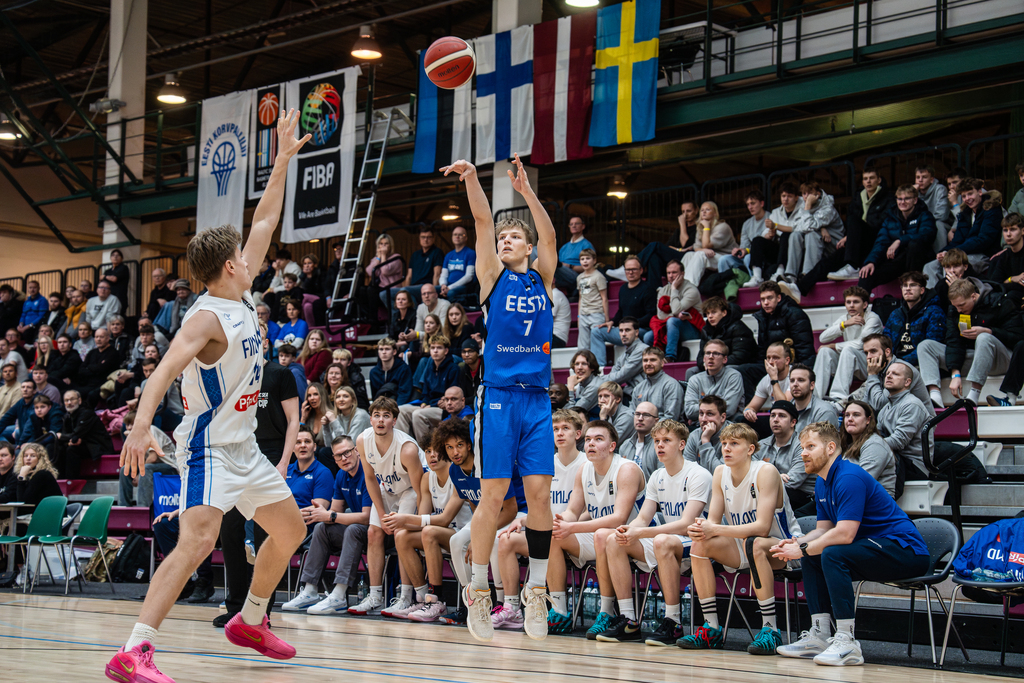
Everything begins with initial customer contact, which entails an analysis of what can be achieved within the given budget to reach the desired outcome. This is the most general dimension. This is followed by more detailed planning, such as how many cameras are needed to produce the desired footage, whether video replays are required for the broadcast, and if these are intended for viewers or judges, or indeed if the event organiser has video graphics or if they need to be produced. In addition to this, there are also seemingly less important details, such as whether there are training sessions at the venue before the live broadcast of the ball game.
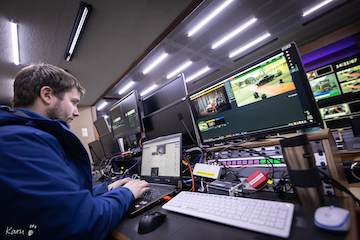
It may seem complicated, but generally, we are able to deliver any hall sports broadcast offer after a 10-minute phone conversation with the subscriber. From the analysis and planning stage, we proceed to the setup of equipment and the actual broadcast.
If you were to take a typical indoor sports competition, how much time would it take to produce the video footage for it?
All transfers are bundled together, where the length of the transmission itself is n hours, meaning the time cost for any competition for us is n+8 hours. This includes two-way transport, setting up and dismantling equipment, and, of course, the live broadcast itself. Some time may also be spent on preparation, if the transmission is intended for broadcast in multiple countries – in this case, the client will certainly have advertisements, video graphics, etc., in different languages.
How much do the production of broadcasts for two different sports differ from each other?
Differences arise mainly in two ways: depending on the specifics of the sport or the level of competition. For example, in some ball games, it is critically important for referees to be able to see video replays. To facilitate this, we can share the video feed from all cameras with the referees, meaning they get access to more material than a regular broadcast viewer, who sees the feed from a single camera.
Competitions with higher stakes are usually covered with a greater number of cameras and people. Therefore, two broadcasts of the same sport can differ quite a lot from each other.
You mentioned that in addition to the usual for a viewer, there's another dimension to the video footage...
Yes. The video footage is valuable material for coaches and players, in addition to the referees. Their post-match analysis usually takes place based on video footage saved onto a USB stick.
We are also always available for the competition secretariat if there is a need to review a situation for statistical purposes, for example.
And despite us talking about a live broadcast as something happening at a specific moment in time, does it still have historical value?
Certainly. Every transfer will be retained in one form or another. We can never know when a future star might make their debut on the pitch today, whose first league match might be exciting for people to watch back years later.
Partner infused with sports
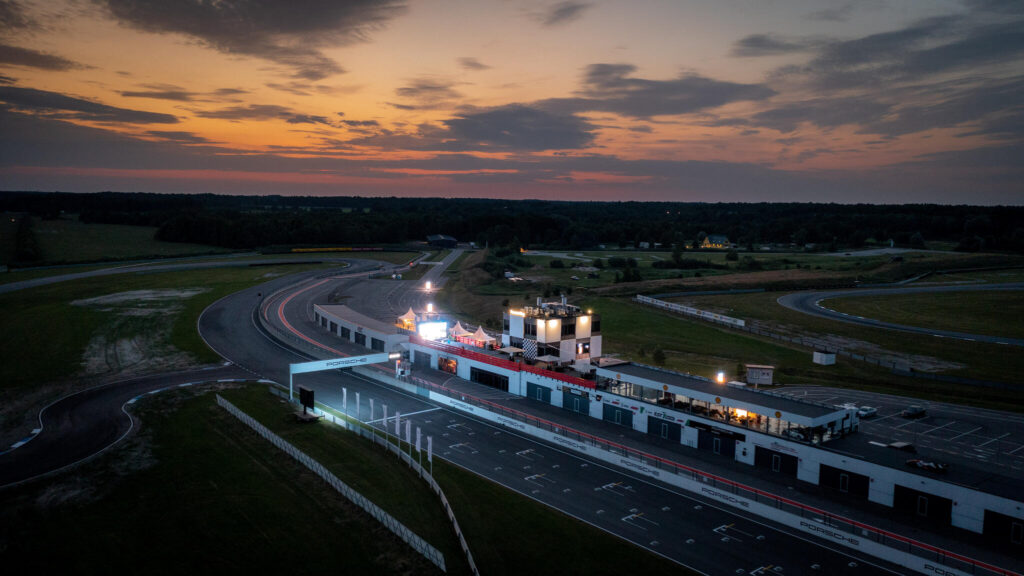
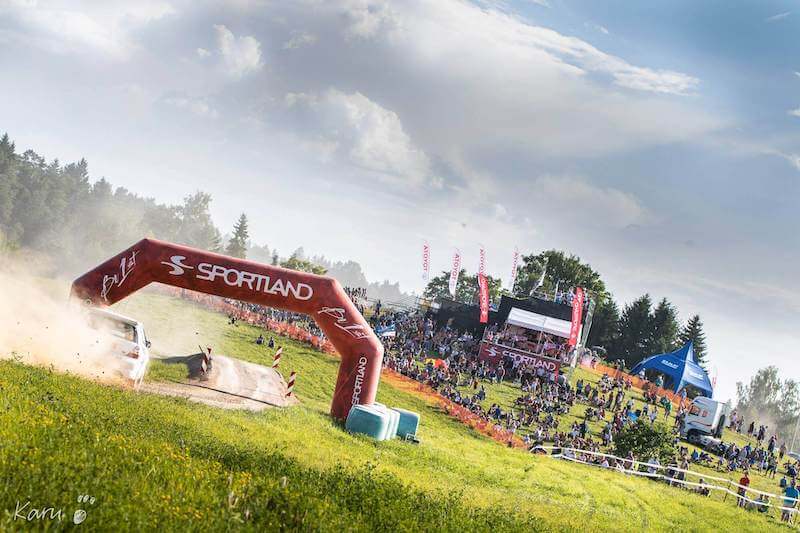
Did you know that Television.ee the team produces over 200 sports broadcasts annually and our sport.television.ee The portal transmits over 1000 sporting events taking place in Estonia every year? It's fair to say that sport is in our hearts and minds :)
If you also need a live broadcast of your event or just a recording to distribute privately, get in touch with us. info@television.ee to the address or make an enquiry via the contact form.